NEWS RELEASE: AFPA Announces Leadership Transition
Posted by AFPA | October 15, 2026
EDMONTON, AB — After nearly seven years at the helm of the Alberta Forest Products Association (AFPA), President and CEO ...


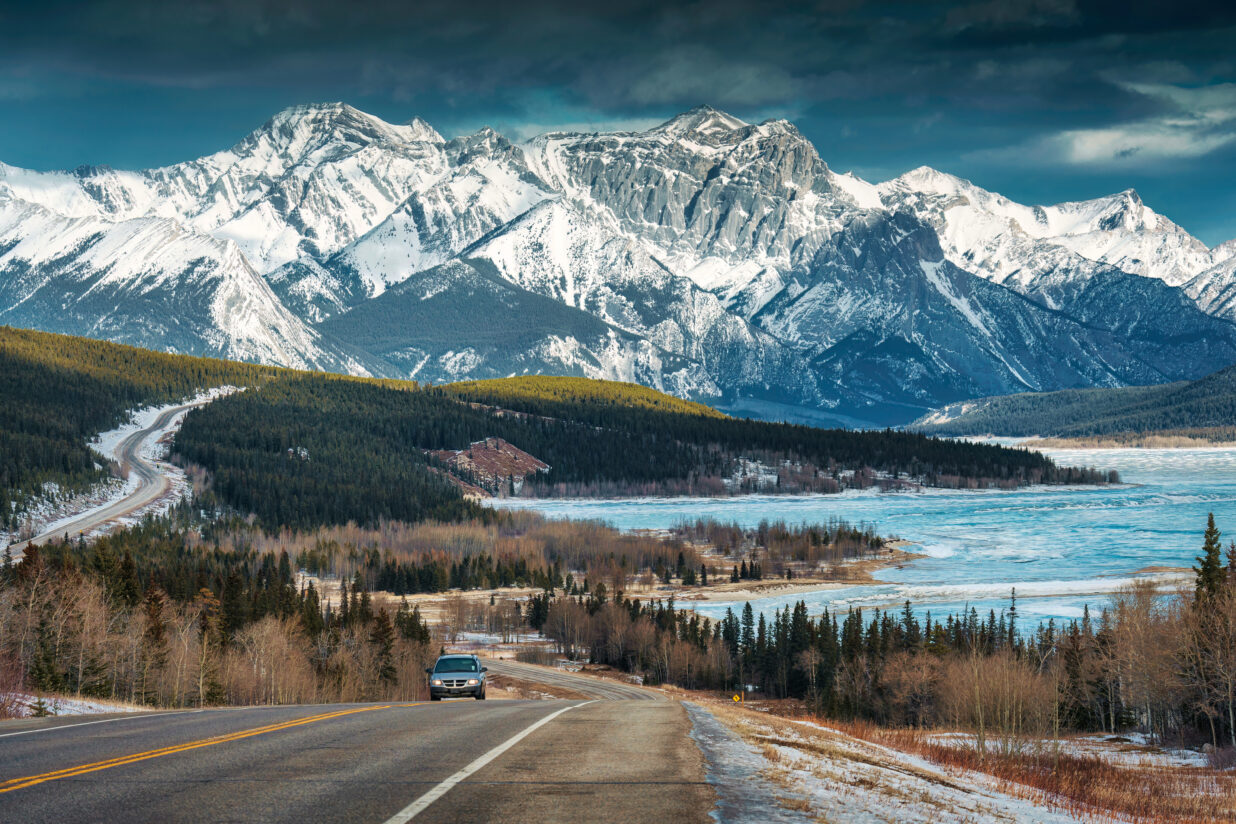
The wildfires that swept through Jasper National Park in 2024 were devastating—but they weren’t unpredictable. They were the foreseeable result of years of policy choices: the decision to leave forests untouched, to restrict active management, and to allow risk to build in the name of preservation.
Alberta’s forests are disturbance-driven—they rely on natural events like wildfire to renew, diversify, and maintain ecological balance. But over the past century, we’ve suppressed these disturbances to protect communities, infrastructure, and wildlife. Without fire, forests don’t regenerate naturally. And without policy tools that allow for active interventions like harvesting, we’re left with dense, aging stands vulnerable to fire and pests.
Now, in 2025, we face an urgent question: will we continue down the same path, or will we modernize our approach to forest management—even in places long considered off-limits, like national parks?
We’ve been raising concerns about the condition of the forests in and around Jasper for years. Our members don’t operate inside the park, but they do operate next to it—and what happens within the park’s boundaries doesn’t stay there. Wildfires, insect outbreaks, and poor forest health radiate outward. They don’t recognize lines on a map. Forests on Alberta public lands are already managed with these concerns in mind—balancing ecological values with efforts to reduce risk. It’s time we bring that same mindset to our national parks.
Back in 2017, we publicly warned about the compounding risks of overmature forests, pine beetle infestations, and increasingly hot, dry summers. We noted that while fire is a natural part of Alberta’s forest cycle, it becomes dangerous when it occurs near communities—and even more so when it burns through unmanaged, aging stands. In 2024, that danger became reality.
At the core of the problem is a long-standing flaw in national parks forest policy: the belief that the best way to protect forests is to leave them alone. While there have been some efforts at thinning and prescribed fire in Jasper, these have been limited in scope and scale—far too little, too late to meaningfully reduce risk. That may have made sense a century ago, but today it’s out of step with ecological science, wildfire risk, and climate realities. This mindset is deeply embedded in national parks policy and reinforced by federal legislation like the Species at Risk Act.
The result is vast expanses of overmature, flammable forest in some of Canada’s most iconic landscapes—including Jasper. These are forests that evolved with regular disturbance, primarily through fire. When we removed that disturbance without replacing it with active management, we created dangerous conditions—forests full of fuel, susceptible to both wildfire and insects.
By contrast, managed forests—with a mix of age classes, strategic harvesting, and regular replanting—are more resilient and safer. Our sector has known this for decades. Sustainability is our foundation. That’s why we plan far into the future, thinking about what our forests will look like in 200 years. That’s why we harvest responsibly and grow new forests.
We believe it’s time to apply that knowledge not just on provincial lands, but within the national parks system itself. That doesn’t mean a free for all. It means recognizing that forest management and conservation are not in conflict—they’re both essential to long-term stewardship.
We need national parks policy to reflect this reality. It should encourage science-based, ecologically sensitive management tools like thinning, selective harvesting, and prescribed fire across the entire park—tools that reduce fuel loads and restore healthier forest structures.
Beyond parks, we also need to revisit legislation like the Species at Risk Act. In Alberta, this law currently prevents management in large areas of older forest—ironically putting caribou and other species at greater risk when those forests inevitably burn.
None of this is about pointing fingers or reopening tired debates. It’s about moving forward, together.
Real change requires collaboration. The conversation must include federal, provincial, and municipal governments, Indigenous communities, industry, scientists, local communities, and all who care about the future of our forests. We need to ask hard questions, look honestly at what’s working and what’s not, and act with urgency.
Doing nothing is not a neutral decision. In 2025, it’s one of the riskiest choices we can make.
Canada’s forests—inside and outside of parks—are among our greatest national assets. But if we want to protect them, we need to manage them. Let the fires of 2024 be a wake-up call, not just a headline. Let’s take a smarter, more balanced approach to forest policy, one rooted in sustainability, science, and shared responsibility.
Because without change, Jasper won’t be the last warning. It will be the first of many.

EDMONTON, AB — After nearly seven years at the helm of the Alberta Forest Products Association (AFPA), President and CEO ...
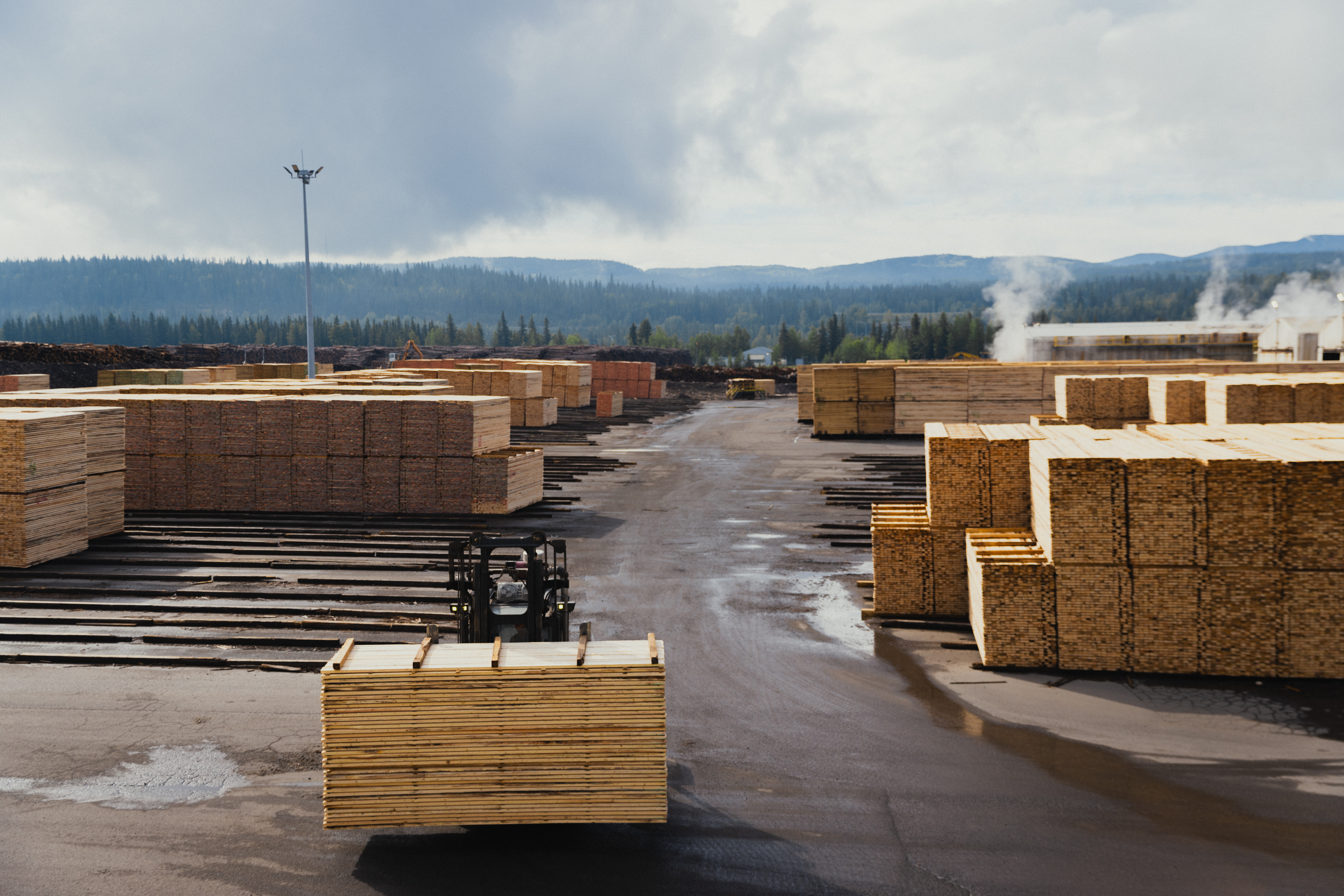
AFPA Statement on the Canadian Forest Sector Transformation Task Force Recommendations The Alberta Forest Products Association (AFPA) welcomes the critical measures announced today ...
If you’d like more information about employment opportunities in the forest industry, you can find job profiles, current job postings, scholarships and more here.
Workwild.caDID YOU KNOW?
Learn more about the forest industry's sustainable forest management practices.
Forest Management